Practical Uses of Natural Supplements in Modern Beauty and Self-Care
Explore how natural supplements integrate into everyday beauty and self-care routines. From skin hydration to stress management, understand the realistic benefits and thoughtful use cases that enhance a holistic approach to modern beauty.
Maya covers beauty & self-care with an emphasis on practical analysis, products, and real-world impact.
Why Natural Supplements Matter in Today’s Beauty Regimens
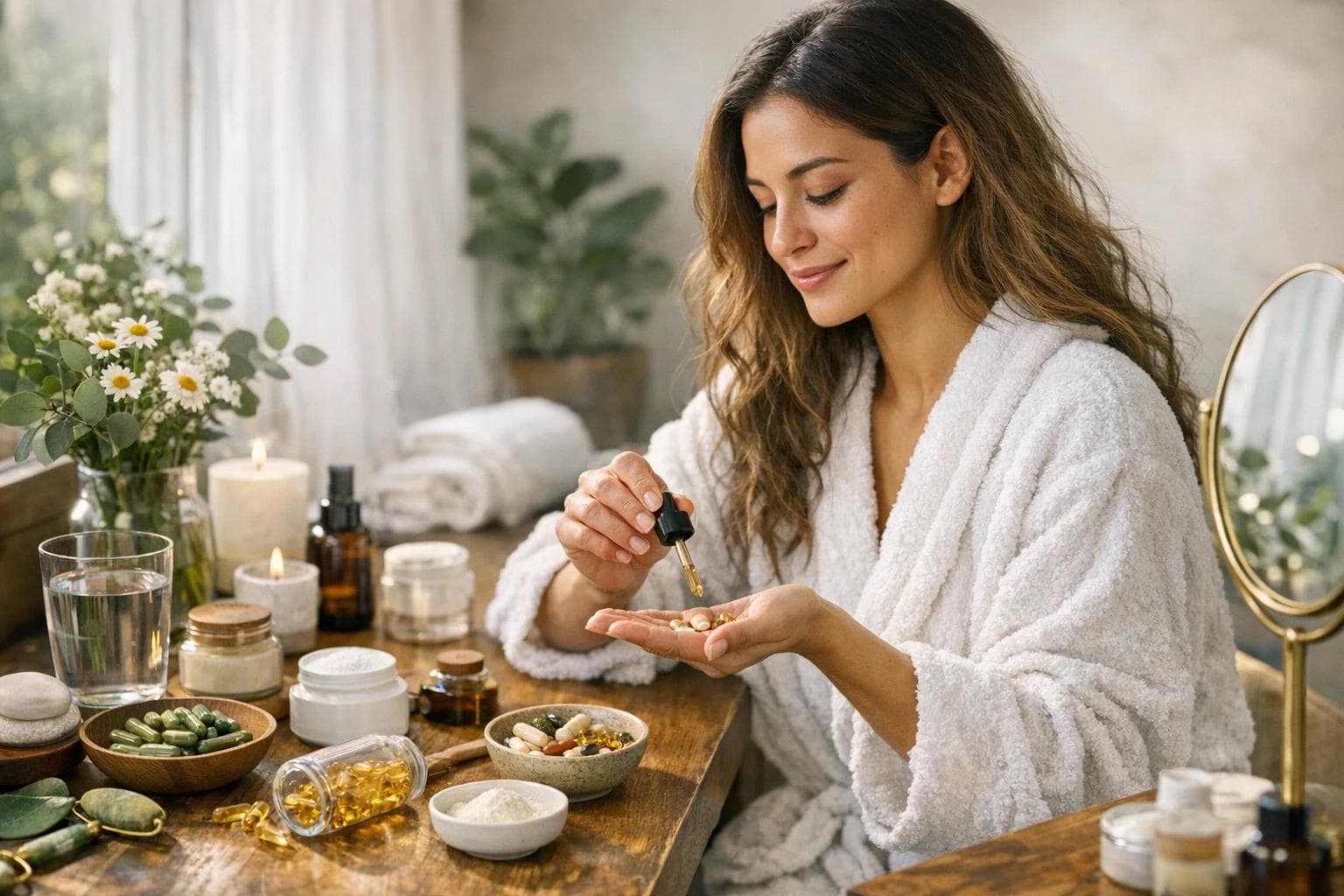
The intersection of natural supplements with beauty and self-care routines reflects a growing trend toward holistic wellness and ingredient mindfulness. Rather than treating skin or hair issues in isolation, many users now embrace natural supplements as adjuncts to topical products and lifestyle habits, aiming for incremental improvements that align with their overall health and vitality.
Natural supplements typically include botanical extracts, vitamins, minerals, and other plant-based compounds. While they don’t replace skincare products or medical treatments, they play supportive roles in hydration, antioxidant protection, and stress management—three areas closely tied to visible skin and hair health.
Key Use Cases for Natural Supplements in Beauty and Self-Care
Enhancing Skin Hydration and Barrier Function
Omega-3 fatty acids, often sourced from flaxseed oil or marine algae, are popular supplements for their role in supporting the skin’s lipid barrier. When taken consistently, they may help improve skin moisture retention, which contributes to a dewy, plump appearance. Supplement options like evening primrose oil or borage oil, rich in gamma-linolenic acid (GLA), are also favored for their hydrating properties.
Collagen peptides have carved out a niche for themselves as well. These hydrolyzed proteins aim to support the skin’s structural integrity. While topical collagen cannot penetrate deeply, orally consumed collagen supplements provide amino acids that assist the body's own collagen synthesis processes, potentially promoting elasticity and reducing dryness.
Supporting Hair and Nail Strength
Biotin is among the most widely recognized natural supplements in beauty for promoting hair and nail strength. This water-soluble B-vitamin supports keratin production, the fundamental protein of hair and nails. Though extreme biotin deficiency is rare, supplementation is used as a preventative measure to maintain growth and reduce brittleness.
Other supplements such as silica (from horsetail extract) or zinc may also contribute to strengthening hair strands and reducing fragility, filling nutritional gaps that topical products alone cannot address.
Combatting Oxidative Stress and Environmental Damage
Antioxidants like vitamin C, vitamin E, and polyphenol-rich extracts (e.g., green tea, grape seed) offer systemic support against oxidative stress—one of the primary contributors to premature skin aging. Through diet or supplementation, these antioxidants supplement the body’s defense systems, helping to protect collagen and lipids in the skin from free radical damage.
While their effects are subtle and cumulative, they provide an internal complement to external antioxidant skincare formulations frequently used in anti-aging routines.
Managing Stress to Preserve Skin and Hair Health
Stress and beauty are intimately connected. Cortisol fluctuations from chronic stress can impact skin oil production, inflammation levels, and even hair growth cycles.
Natural adaptogens such as ashwagandha, rhodiola, and holy basil are used for their general stress-moderating properties. Though research on their role in directly improving skin or hair is limited, their potential to promote hormonal balance and relaxation indirectly supports skin health and self-care goals.
Practical Considerations and Common Pitfalls
Integration with Existing Routines
Natural supplements should be viewed as enhancements rather than quick fixes. For example, collagen peptides work best when paired with a balanced diet rich in vitamin C and protein, which helps collagen synthesis. Similarly, omega-3 supplements are more effective when the overall diet is varied and low in inflammatory fats.
Consistency is critical; many supplements require weeks of daily intake before any benefits in skin or hair appearance become noticeable.
Avoiding Overuse and Misconceptions
More is not always better; excessive intake of fat-soluble vitamins (A, D, E, K) or minerals like zinc and selenium can lead to adverse effects. It is advisable to consult ingredient labels carefully and keep long-term usage within recommended daily allowances.
Some users expect supplements to replace fundamental skincare practices such as sun protection, cleansing, and hydration. Supplements should complement rather than substitute these cornerstones of routine.
Toward a Personalized, Informed Approach to Supplement Use
Choosing natural supplements for beauty and self-care involves understanding personal priorities and lifestyle. Rather than chasing trends, it’s beneficial to identify specific goals (e.g., improved hydration, stronger nails, stress modulation) and select supplements with evidence-based uses aligned with those aims.
Emerging innovations like collagen blends combined with hyaluronic acid or antioxidant botanicals offer tailored formulations targeting multiple beauty aspects simultaneously. Staying informed about validated ingredients and their realistic outcomes helps set sustainable expectations.
Incorporating natural supplements mindfully into daily routines emphasizes a balanced, modern approach to beauty—one that honors internal health as much as topical care.
As consumer interest continues to grow, ongoing research and transparent product development will refine how natural supplements can best support everyday beauty and self-care in meaningful, accessible ways.
Safety & Scope
This article is for general informational purposes and does not replace professional advice for complex repairs or installations.
Frequently Asked Questions
+What should readers understand first about beauty & self-care natural supplements use cases?
Natural supplements are best viewed as complementary supports within broader beauty and self-care routines rather than standalone solutions. Their effects tend to be subtle and gradual, often requiring consistent, long-term use alongside balanced nutrition and proper skincare practices.
+What are the most useful examples or use cases for beauty & self-care natural supplements?
Common use cases include omega-3 supplements for improving skin hydration, collagen peptides for supporting skin elasticity, biotin for hair and nail strength, antioxidants like vitamin C and E for combating oxidative stress, and adaptogens for stress management affecting skin health.
+What mistakes should I avoid with beauty & self-care natural supplements use cases?
Avoid expecting overnight results or using supplements as substitutes for sun protection and topical skincare. Also, be cautious about exceeding recommended dosages, especially with fat-soluble vitamins and minerals, and seek quality products from reputable sources for safety and efficacy.