Myths and Facts About Natural Supplements for Beauty and Wellness
Natural supplements for beauty and wellness are often praised for their benefits, but misconceptions abound. Understanding common myths and facts can help you make informed choices as part of your self-care routine.
Jordan specializes in turning complex beauty & self-care topics into clear, useful explainers for everyday readers.
Understanding the Landscape of Natural Supplements for Beauty and Wellness
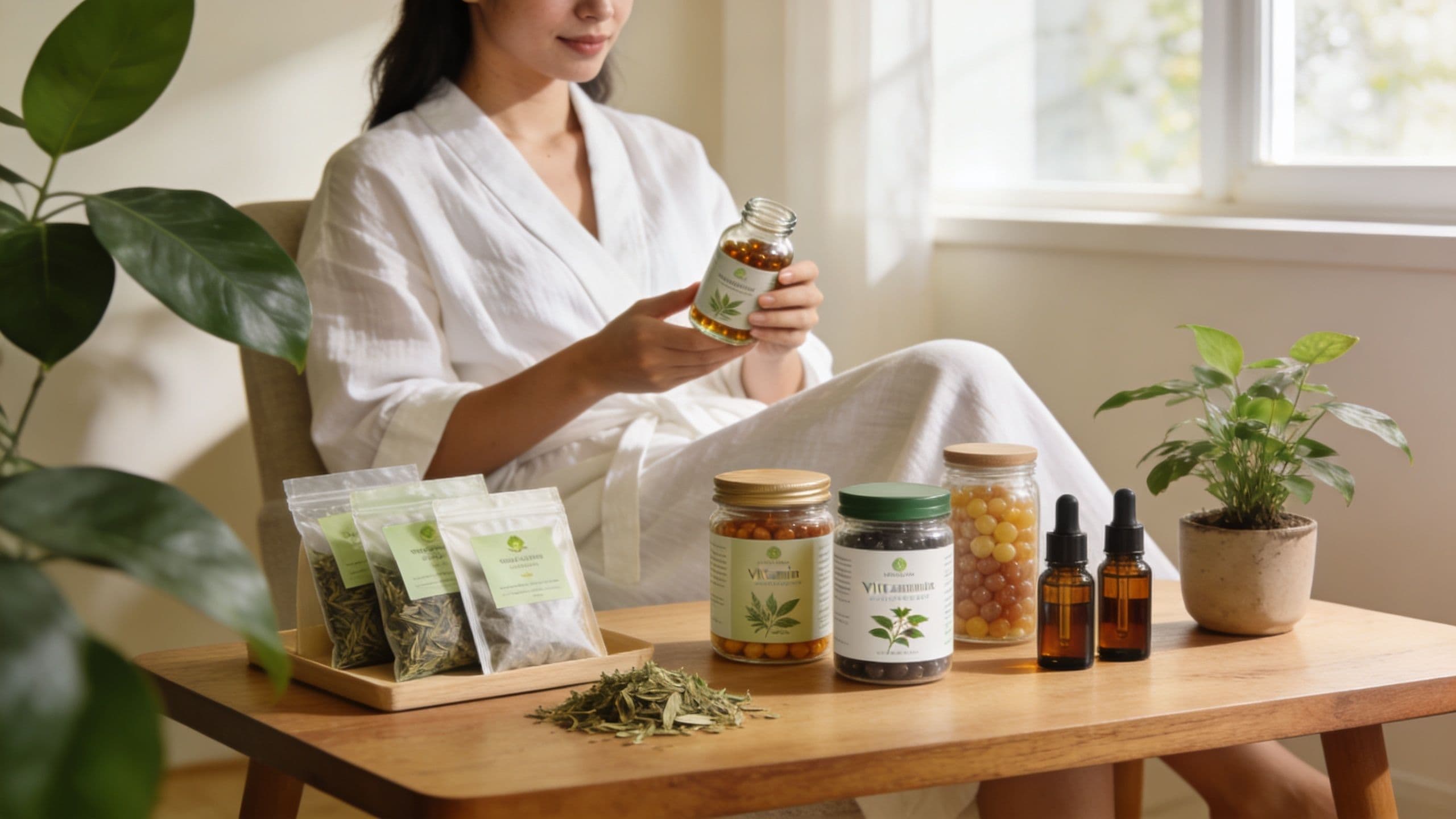
Natural supplements—ranging from herbal extracts to vitamins and minerals—have become staples in many beauty and wellness routines. They promise everything from glowing skin to stronger hair and improved overall vitality. However, the sheer volume of claims surrounding these products often leads to confusion. Dispelling myths and reinforcing facts is essential to approaching natural supplements with clarity and realism.
Myth 1: Natural Supplements Are Always Safe Because They Are Natural
One of the most persistent misconceptions is that “natural” means inherently safe. While many natural supplements have a long history of traditional use and can complement a healthy lifestyle, they are not automatically free from side effects or interactions. For example, high doses of vitamin A supplements may cause skin issues or toxicity if misused. Herbs like St. John’s Wort can interfere with medications.
Fact: Natural supplements can support wellness, but safety depends on individual health, dosage, and quality. It’s important to consult trustworthy sources about potential risks and not assume natural equals risk-free.
Myth 2: Supplements Alone Can Replace a Healthy Skincare or Wellness Routine
Supplements are often marketed as magic fixes for beauty concerns such as wrinkles, dull skin, or hair thinning. However, no supplement can substitute fundamental habits like hydration, a balanced diet, sun protection, sleep, and stress management.
Fact: Supplements serve as supportive elements alongside core lifestyle practices. To optimize results, they should complement—not replace—a consistent skincare regimen and overall wellness habits.
Myth 3: More Is Better When It Comes to Supplement Dosage
Taking higher-than-recommended doses is a common mistake fueled by the belief that more supplements will accelerate beauty benefits. This approach can be counterproductive or harmful, causing side effects or nutrient imbalances.
Fact: Adhering to recommended dosages ensures safety and effectiveness. For instance, vitamin C can aid collagen synthesis at appropriate levels, but excessive intake may cause digestive upset.
Myth 4: All Natural Supplements Are Backed by Solid Scientific Evidence
The natural supplement industry includes a wide range of products with varying degrees of scientific support. Some ingredients like collagen peptides and certain antioxidants have growing research backing their skin and wellness benefits, while others rely mainly on anecdotal evidence or traditional use.
Fact: Evaluate each supplement individually, considering peer-reviewed studies, ingredient transparency, and reputable brand standards. Critical reading helps separate promising supplements from unverified trends.
Key Facts to Keep in Mind
Bioavailability Matters: Not all supplements are absorbed equally. For example, curcumin’s absorption improves with black pepper extract, impacting its efficacy.
Quality Variability: Manufacturing practices and ingredient sourcing affect supplement quality. Look for third-party testing seals.
Consistency and Time: Benefits typically emerge after regular use over weeks or months, rather than overnight.
Practical Tips for Integrating Supplements in Beauty and Wellness
Start with fundamentals: Maintain hydration, balanced nutrition, sleep, and sun care.
Research supplements relevant to your goals (e.g., biotin for hair, omega-3s for skin barrier health).
Choose products from trusted brands with transparent sourcing.
Avoid mixing multiple supplements without professional advice to prevent interactions.
Monitor your body’s response and adjust as needed.
Moving Forward: Balancing Enthusiasm with Evidence
Natural supplements play a complementary role in modern beauty and wellness when chosen thoughtfully. Clear-headed skepticism of exaggerated claims, combined with an understanding of scientific support and safety, empowers everyday users to enhance their routines meaningfully. As consumers navigate an evolving market rich with options, prioritizing education and moderation remains the best approach.
Continued interest in ingredient science and wellness trends ensures that natural supplements will stay relevant, but their value lies in balanced, informed use—not myth-driven expectations.
Safety & Scope
This article is for general informational purposes and does not replace professional advice for complex repairs or installations.
Frequently Asked Questions
+What should readers understand first about myths and facts about natural supplements for beauty and wellness?
Readers should recognize that while natural supplements can support beauty and wellness, they are not magic solutions and are not inherently risk-free simply because they are natural. Safety, efficacy, and scientific support vary widely across products.
+What are the most useful examples or use cases for myths and facts about natural supplements for beauty and wellness?
Useful examples include understanding why higher doses aren’t always better, realizing supplements cannot replace core routine habits like skincare or diet, and recognizing that scientific evidence supports some supplements like collagen peptides more than others.
+What mistakes should I avoid with myths and facts about natural supplements for beauty and wellness?
Avoid over-reliance on supplements without foundational health practices, do not assume natural means safe without researching potential side effects, and refrain from taking excessive dosages without guidance.