Mastering Makeup Looks and Tutorials: A Practical Guide for Everyday Beauty
Explore detailed, beginner-friendly makeup looks and tutorials designed for everyday beauty routines. Learn practical tips, common pitfalls, and how to personalize your makeup to enhance natural features with confidence.
Jordan specializes in turning complex beauty & self-care topics into clear, useful explainers for everyday readers.
Finding Your Starting Point: Understanding the Basics of Makeup Looks and Tutorials
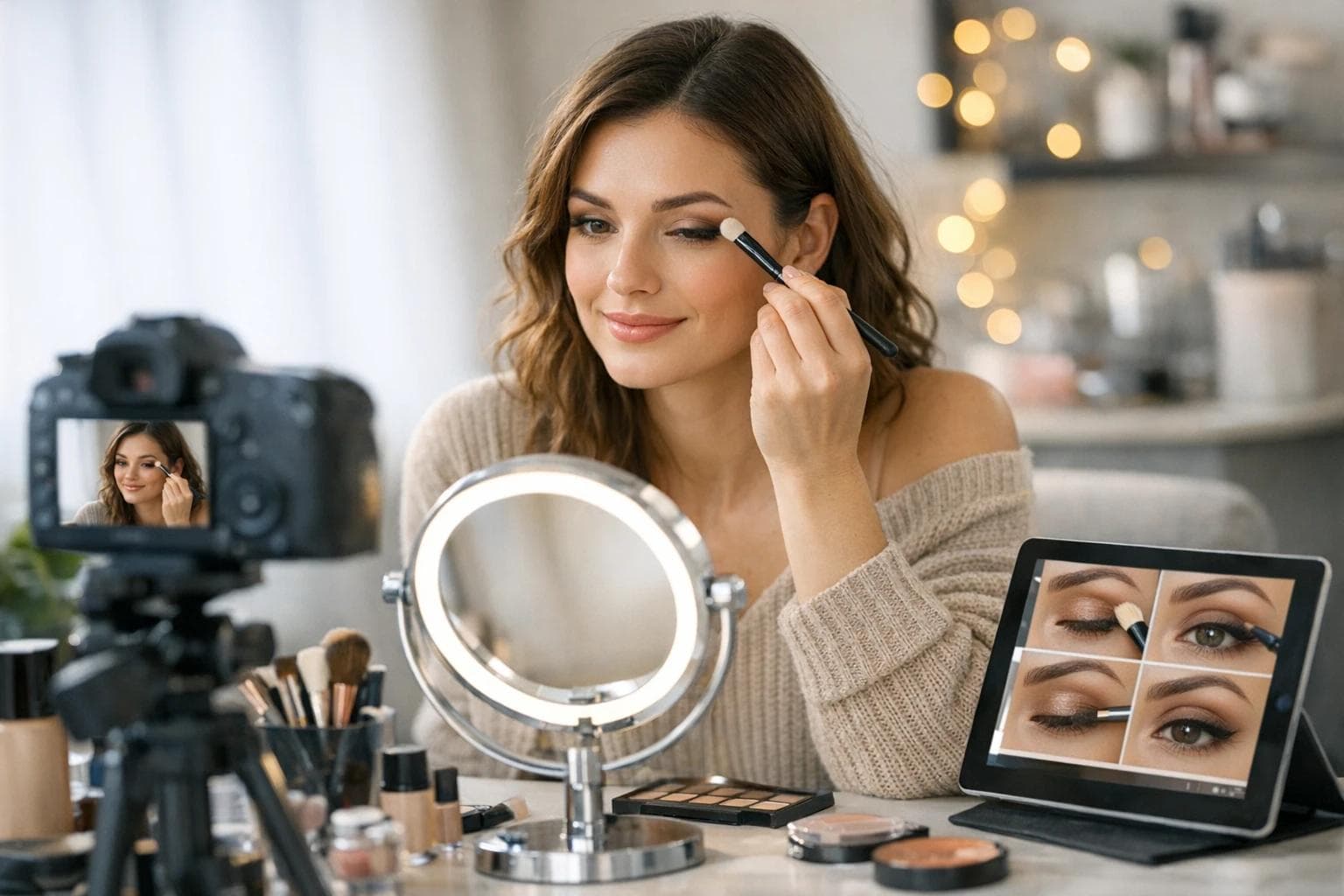
Makeup tutorials have surged in popularity as a way for everyday users to improve their skills and understand product application. Yet, before diving into detailed looks, it’s crucial to grasp foundational elements: skin preparation, product layering, and recognizing your skin tone and undertones. These basics form the groundwork for any successful look, ensuring the makeup enhances your natural beauty rather than masking or overwhelming it.
Skincare is the essential starting line — clean, moisturized skin creates a smooth canvas. Primer use depends on skin type and desired finish, with options from hydrating to mattifying. Tutorials often start here to build an ideal complexion base.
Practical Makeup Looks for Everyday Wear
While there’s a vast range of looks from minimalistic to bold and artistic, everyday makeup typically focuses on enhancing features naturally and efficiently. Here are three widely applicable styles:
1. The "No-Makeup" Makeup Look This style emphasizes fresh, glowy skin with minimal product. Techniques involve sheer foundations or tinted moisturizers, subtle concealer use, light brow grooming, and a neutral lip balm or tint. This look suits those new to makeup or who want a polished, effortless appearance that is office- or errand-appropriate.
2. Soft Glam for Day-to-Night Versatility A gentle smoky eye using neutral browns or taupe shades, paired with softly contoured cheeks and muted lipstick tones, bridges casual and formal settings. Tutorials often demonstrate blending eyeshadow gradients and layering mascara for fuller, natural-looking lashes.
3. Quick Brightening Tricks Applying strategic color to brighten the face—such as peach blush on the apples of the cheeks and a light shimmer on the inner eye corners—can make even simple routines impactful. These are great tutorials for users pressed for time but seeking a lift in their appearance.
Tutorials as Stepwise Guides: Key Elements to Look For
Successful makeup tutorials generally follow a clear structure: preparation, feature focus, and finishing touches. Users should seek tutorials that break down each step with explanations on why a technique works, for example, why contour placement differs by face shape or how to layer powder without cakiness.
Look for tutorials that go beyond product endorsement to discuss texture, formulation, and flexibility — for instance, how a cream eyeshadow can be worn alone or as a base for powders. This educates viewers in product-agnostic ways, empowering smarter purchases and application choices.
Navigating Common Pitfalls in Makeup Application
Many beginners fall into traps such as over-layering foundation, neglecting blending, or choosing colors at odds with their undertones. Tutorials help mitigate these errors by showcasing mistakes alongside corrections or offering tips like buffing edges of blush for seamless transitions.
Additionally, tutorials emphasizing hygiene, like cleaning brushes regularly or avoiding sharing products, align with modern beauty habits promoting healthy skin alongside aesthetics.
Cultivating a Personalized Routine Beyond Tutorials
Makeup tutorials offer frameworks but the most sustainable routines come from adaptation. Personal experimentation—adorning various looks in different lighting, adjusting techniques by season or skin condition—ensures makeup complements lifestyle and mood.
Keeping a makeup diary or notes on what feels effortless versus challenging can help refine preferences. The goal is to evolve from following tutorials to crafting individual expressions of beauty that celebrate authenticity.
---
Makeup looks and tutorials are more than trends; they are tools for empowerment through self-care and creativity. By understanding fundamentals, choosing practical everyday styles, and learning from well-constructed tutorials, users can build confidence in their beauty routines without overwhelm. The future of makeup education lies in accessibility, clarity, and fostering individuality rather than conformity.
Safety & Scope
This article is for general informational purposes and does not replace professional advice for complex repairs or installations.
Frequently Asked Questions
+What should readers understand first about makeup looks and tutorials?
Understanding the foundation is key: skin preparation, recognizing skin tone and undertones, and layering products properly. Without these, makeup application can look uneven or unnatural. Starting with a clean, moisturized canvas and using tutorials that explain why each step matters is essential for success.
+What are the most useful examples or use cases for makeup looks and tutorials?
Everyday looks like the "no-makeup" makeup, soft glam, and quick brightening techniques are highly useful for readers looking to enhance natural features for work, social occasions, or casual settings. Tutorials that focus on these styles provide practical guidance adaptable to multiple lifestyles and makeup proficiency levels.
+What mistakes should I avoid with makeup looks and tutorials?
Common mistakes include applying too much foundation, poor blending, mismatched colors for your undertone, and neglecting hygiene like brush cleaning. Avoid tutorials that rush steps or prioritize product promotion without education. Always choose guides that emphasize technique, skin health, and realistic outcomes.