Mastering the Art of Makeup: A Comprehensive Makeup Techniques Guide
Explore essential makeup techniques tailored for everyday beauty enthusiasts. This guide offers clear, product-agnostic instructions focused on modern, practical application methods that enhance natural beauty.
Jordan specializes in turning complex beauty & self-care topics into clear, useful explainers for everyday readers.
Building a Flawless Foundation: From Prep to Finish
Makeup begins with a well-prepared canvas. Before any product touches the skin, establishing a good skincare base is crucial. Cleanse and moisturize adequately to ensure smooth application and longevity of makeup. Primer use is optional but beneficial, especially for those with oily or combination skin, as it minimizes pore appearance and controls shine.
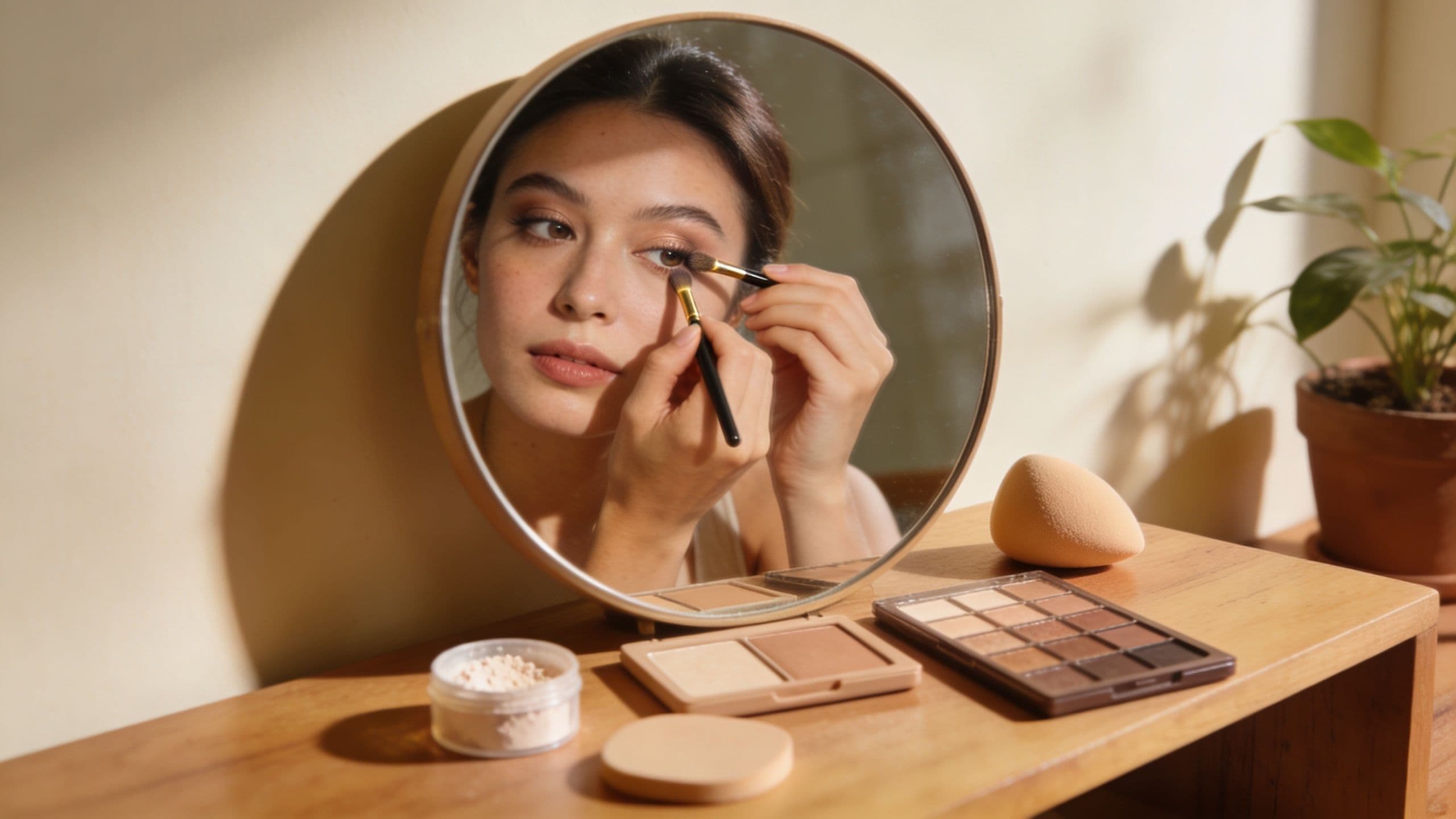
Applying foundation should prioritize technique over quantity. Use a damp beauty sponge or brush to apply foundation in thin, even layers, blending thoroughly around the jawline and hairline to avoid harsh lines. This method offers buildable coverage without a cakey look. For a more natural finish, consider mixing your foundation with a few drops of facial oil or moisturizer.
Setting the base with a translucent powder helps control oil and set makeup, but use sparingly to avoid dullness. Setting sprays can refresh and prolong wear while adding a dewy or matte effect, depending on the formula.
Mastering the Art of Eye Definition
The eyes often define a makeup look but can intimidate beginners. Start with neutral eyeshadow shades for everyday looks—matte beige or soft brown tones provide subtle depth. Using a fluffy brush, sweep a transition shade in the crease to create dimension.
Eyeliner can dramatically alter eye shape and expression. For an approachable technique, tightlining (applying liner along the upper waterline) enhances lash density without visible liner lines. Gel or pencil liners are beginner-friendly and easy to smudge for softer effects. Winged liner requires practice; beginners should consider using tape or a card edge as a guide for clean angles.
Mascara application benefits from a slight zigzag motion at the root to prevent clumping while maximizing volume and lift. Waterproof formulas can last all day but may require gentle removal techniques to prevent lash damage.
Sculpting and Highlighting: Shape Without Overdoing
Contouring and highlighting are frequently misunderstood and overdone, but subtle sculpting can enhance natural features beautifully.
Choose contour shades one to two shades darker than your skin tone with a cool or neutral undertone to mimic natural shadows. Apply contour powder or cream beneath cheekbones, along the jawline, and the sides of the nose sparingly, then blend thoroughly. Avoid harsh lines by using soft, circular motions.
For highlighting, opt for a luminous formula with finely milled shimmer applied on the high points of the face—tops of the cheekbones, bridge of the nose, cupid’s bow, and brow bone. Balance is key; overly sparkly highlighters can appear unnatural.
Blush adds freshness to the complexion. Cream blushes are blending-friendly and versatile across skin types. Smile gently and apply to the apples of the cheeks, blending upward toward the temple for a natural flush.
Lip Techniques: Balancing Color and Precision
Lip color completes a makeup look and can dramatically shift its tone. For everyday wear, tinted balms and sheer lipsticks offer hydration with a hint of color. For bolder occasions, matte lipsticks provide staying power but require exfoliation and moisturizing beforehand to prevent dryness.
Lip liner is not mandatory but helps with shape definition and color longevity. When applying, start at the Cupid’s bow and outline the natural lip shape; lightly fill in the lips for additional persistence of color.
Use a lip brush for precision or pat lipstick with a fingertip for a softer effect. Blotting between layers builds depth and ensures longer wear.
Common Pitfalls and How to Avoid Them
A few recurring mistakes can undermine even the best technique:
Skipping skin prep: Without clean, moisturized skin, makeup can adhere unevenly.
Overloading product: Applying thick layers can trap makeup in fine lines and pores.
Neglecting blending: Harsh edges, especially around eyes and contour areas, look unnatural.
Ignoring undertones: Choosing products that clash with your skin undertone can make makeup appear off or heavy.
Using expired products: Outdated makeup can cause irritation and doesn’t perform well.
Final Thoughts
This makeup techniques guide emphasizes clarity and simplicity over complexity. The goal is to empower everyday users to feel confident and capable in their makeup routines by mastering foundational skills. As makeup trends evolve and formulations develop, returning to these core principles ensures a versatile, flattering approach for any occasion.
Safety & Scope
This article is for general informational purposes and does not replace professional advice for complex repairs or installations.
Frequently Asked Questions
+What should readers understand first about makeup techniques guide?
Readers should recognize that good makeup begins with skin preparation and understanding the importance of blending and layering products for a natural, durable finish.
+What are the most useful examples or use cases for makeup techniques guide?
This guide is most useful for everyday makeup routines, beginners learning foundational skills, and anyone seeking practical, product-agnostic tips for enhancing natural beauty without overwhelming complexity.
+What mistakes should I avoid with makeup techniques guide?
Avoid skipping skin prep, applying heavy product layers, poor blending, neglecting undertones, and using expired products, as these can lead to an uneven or unnatural appearance.