Navigating Today’s Beauty and Personal Care Trends: Practical Insights for Everyday Routines
Explore key beauty and personal care trends shaping modern routines, with practical tips and ingredient insights designed for everyday users seeking approachable, effective self-care.
Avery writes about trends, platforms, and strategic shifts in beauty & self-care, with attention to what matters in practice.
Embracing Minimalism: The Rise of Streamlined Beauty Routines
Over the past few years, minimalism has emerged as a defining characteristic of modern beauty and personal care. This trend reflects a cultural shift toward sustainability, simplicity, and self-awareness, rewarding quality over quantity. Instead of overwhelming one’s regimen with dozens of products, consumers now gravitate toward curated collections that deliver multifunctional benefits.
The minimalist approach prioritizes skincare and beauty essentials that enhance natural features without sacrificing time or creating waste. For example, facial oils that double as moisturizers and primers or cleansers infused with gentle botanicals illustrate this efficiency. By focusing on fewer, well-formulated products with clean ingredient profiles, users not only simplify their daily routines but also promote skin health that aligns with holistic wellness values.
Ingredient Transparency and Clean Beauty: Raising the Standard
A notable force driving current trends is the increased demand for ingredient transparency. Consumers today want to understand what they’re applying to their skin and hair, pushing brands to spotlight formulations free from controversial additives like parabens, sulfates, and phthalates.
This transparency movement complements the clean beauty trend, which emphasizes non-toxic, ethically sourced ingredients that support both user well-being and environmental responsibility. Many brands now provide detailed sourcing information and clearly list actives such as hyaluronic acid, niacinamide, or ceramides, which have become staples understood for their supportive skin functions without making clinical claims.
Navigating ingredient labels with confidence is empowering. For instance, niacinamide is frequently praised for its ability to balance skin tone and texture, making it a versatile choice for beginners and experienced users alike. Meanwhile, sustainably harvested botanicals and biofermented ingredients highlight innovation in combining efficacy with ecological mindfulness.
Personalization Meets Technology: Tailoring Beauty Without Complexity
Technology’s role in personal care has expanded significantly, but current trends favor accessible personalization over overwhelming customization. AI-powered skin assessments and apps help consumers identify their skin’s needs, enabling them to choose products that genuinely suit their lifestyle and concerns.
This tailored approach prevents the common pitfall of layering unnecessary products, ensuring routines remain manageable. Brands such as Proven and Atolla offer scientific analysis combined with user feedback to curate products or recommend regimen adjustments — bridging the gap between expert insights and everyday self-care.
While some might worry personalized regimens add complexity, the emphasis remains on clarity and simplicity. Understanding one’s skin type and tolerances guides users toward fewer, more effective products, rather than creating overcomplicated regimens that could lead to irritation or fatigue.
Wellness-Infused Beauty: Rituals That Support Mind and Skin
Incorporating wellness principles into beauty routines continues to resonate with audiences seeking holistic self-care beyond surface results. Practices like facial massage, mindful cleansing, aromatherapy blends, and ritualized skincare moments offer psychological benefits alongside physical ones.
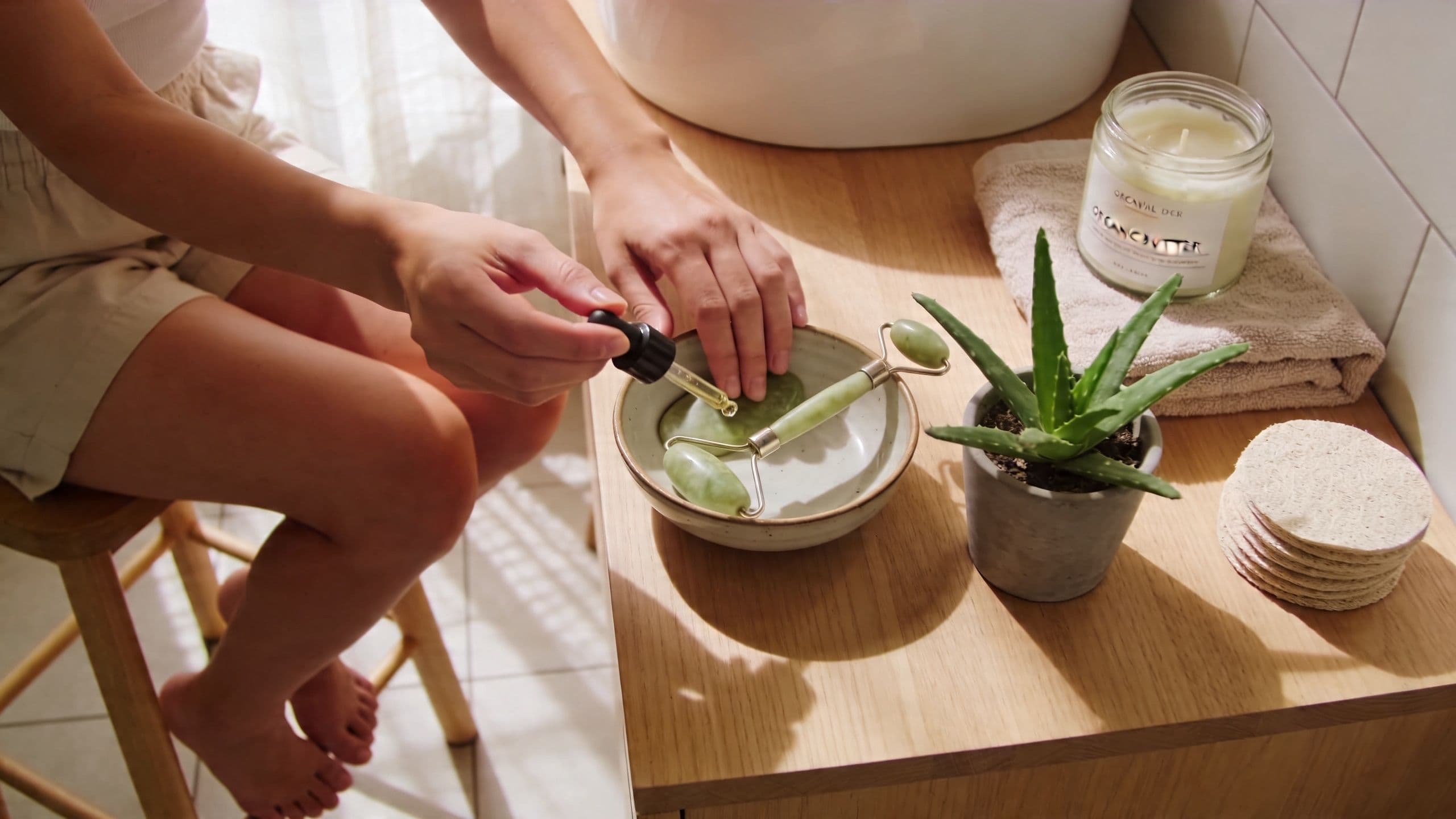
For example, Gua Sha tools have become mainstream in beauty circles not only for their purported circulation benefits but also as instruments encouraging intentional pauses and relaxation. Similarly, nighttime skincare routines that emphasize gentle application and mindfulness foster better sleep patterns—indirectly supporting skin’s natural repair mechanisms.
This wellness overlay encourages readers to perceive beauty and personal care as a lifestyle choice rather than a checklist. It invites a balanced interplay where mental well-being informs physical care, creating routines that are sustainable and personally meaningful.
Practical Considerations: Avoiding Common Pitfalls in Following Trends
Trends can offer exciting new tools and perspectives, but they also carry risks of overextension or misconception. Beginners should prioritize patch testing, gradual incorporation of new ingredients, and maintaining consistency with proven products over chasing every new buzz.
Avoiding the trap of routine overload is essential; combining too many actives like acids and retinoids without guidance can increase sensitivity. Furthermore, discerning marketing claims and focusing on how products feel and perform on an individual’s skin prevents wasted resources and frustration.
Lastly, embracing patience and understanding that lasting improvements require time can help users set realistic expectations. Balancing experimentation with foundational habits — like effective cleansing, hydration, and sun protection — remains foundational amid evolving trends.
---
Looking Ahead: Trends That Encourage Empowered, Sustainable Beauty
Beauty and personal care trends in 2024 emphasize empowerment through education, sustainable practices, and meaningful personalization. As consumers become more informed, they increasingly seek routines that honor individual needs while minimizing environmental impact.
The future likely holds expanded accessibility of technology-integrated personalization and broader adoption of regenerative, eco-conscious ingredients. For everyday self-care enthusiasts, the best approach combines selective trend adoption with a focus on simplicity, transparency, and mindfulness — creating routines that feel sustainable and enhance overall wellbeing.
Readers may consider starting with routine audits, identifying which product steps truly add value, and embracing brands that demonstrate a commitment to transparency and sustainability. This pragmatic pathway leads to beauty and personal care habits that evolve thoughtfully alongside emerging trends, ensuring they enrich users’ lives in both practical and meaningful ways.
Safety & Scope
This article is for general informational purposes and does not replace professional advice for complex repairs or installations.
Frequently Asked Questions
+What should readers understand first about beauty and personal care trends?
Understanding that trends reflect broader cultural shifts—such as sustainability, minimalism, and wellness—is key. Instead of chasing every new product, it’s important to focus on what genuinely suits your skin type and lifestyle, prioritizing transparency and ingredient quality.
+What are the most useful examples or use cases for beauty and personal care trends?
Examples include incorporating multifunctional skincare products that simplify routines, using apps that provide personalized product recommendations based on skin assessments, and integrating wellness rituals like facial massage to support both mental and skin health.
+What mistakes should I avoid with beauty and personal care trends?
Avoid overwhelming your routine with too many new products or actives at once, neglecting patch testing, or relying solely on marketing claims. Prioritize consistency, pay attention to how your skin responds, and maintain foundational practices like cleansing and sun protection.