Decoding Ingredients in Skincare and Cosmetics for Consistent Results
Understanding key skincare and cosmetic ingredients unlocks the path to reliable, visible improvements in your everyday beauty routine. Here’s how to approach ingredient choices for consistent, satisfying outcomes.
Jordan specializes in turning complex beauty & self-care topics into clear, useful explainers for everyday readers.
Understanding the Role of Ingredients in Achieving Consistency
Consistency in skincare and cosmetics doesn’t stem from luck or expensive products alone; it’s rooted in the stability and efficacy of their ingredients. Ingredients form the foundation of how a product behaves, how it interacts with your skin, and ultimately whether you see dependable results. For everyday users, this means a shift from chasing buzzwords to understanding what key components actually do and how they contribute to long-term skin health and appearance.
When you grasp the function of common and effective ingredients—whether they hydrate, exfoliate, or protect—you start to set realistic expectations and develop a routine that reliably suits your skin’s needs.
Key Ingredient Categories That Drive Predictable Outcomes
Hydrators and Moisturizers
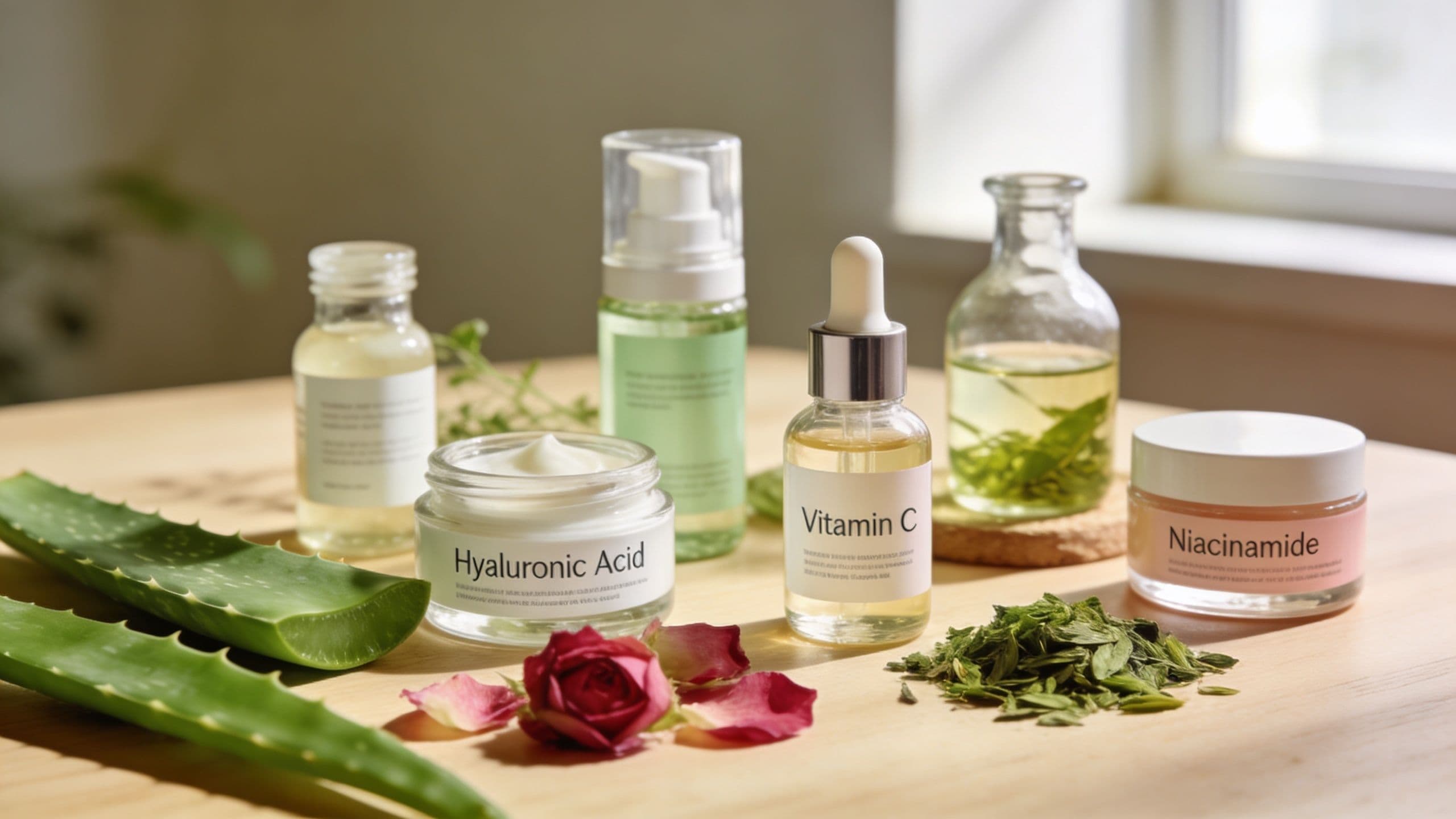
Water-binding agents like glycerin, hyaluronic acid, and squalane are essential for maintaining skin moisture. Their consistent use helps stabilize the skin barrier, reducing irritation and improving texture over time. For example, hyaluronic acid can hold up to 1,000 times its weight in water, offering sustained hydration without heaviness, which suits a broad spectrum of skin types.
Gentle Exfoliants
Ingredients like alpha hydroxy acids (AHAs) — glycolic and lactic acids — gently remove dead skin cells, promoting renewal and an even skin tone. Beta hydroxy acid (salicylic acid) works well for oily or acne-prone skin, penetrating pores to clear excess sebum. Regular and measured exfoliation, using these ingredients at balanced concentrations (often between 5-10% for at-home use), encourages smooth, radiant skin without risk of over-exfoliation.
Antioxidants and Soothers
Vitamin C (ascorbic acid), niacinamide, and green tea extracts serve dual purposes of protecting skin from environmental stress and calming inflammation. Vitamin C not only brightens but also supports collagen production, while niacinamide strengthens the skin’s barrier and reduces redness. Including these helps impart resilience, making results more consistent amid daily environmental challenges.
Sun Protection Ingredients
Broad-spectrum sunscreens with filters like zinc oxide or titanium dioxide physically shield the skin from UVA/UVB radiation, key causes of premature aging and pigmentation irregularities. Daily use is fundamental to preserving any positive effects from other skincare steps.
Practical Tips to Harness Ingredient Power Reliably
Read Labels Beyond the Marketing
Understanding ingredient lists allows you to prioritize active and functional ingredients over fillers and fragrances, which can cause irritation or inconsistency.
Introduce Actives Gradually
Layering or switching active ingredients too quickly can disrupt your skin’s balance. When adding products containing retinoids, acids, or exfoliants, start with lower frequencies and concentrations, then build up as tolerated for sustained results.
Combine Ingredients Thoughtfully
Some ingredients complement each other—niacinamide pairs well with hyaluronic acid for hydration and barrier support, while layering antioxidants can enhance protection. Conversely, mixing strong acids and retinoids simultaneously can irritate, so stagger usage.
Mind the Formulation Stability
Ingredients like vitamin C are sensitive to light and air, so opt for properly packaged products (opaque, airtight containers) to maintain efficacy over time.
Common Pitfalls That Undermine Consistent Skincare Results
Skipping Patch Tests: New ingredients may cause sensitivity or reactions not immediately obvious. Testing helps avoid setbacks.
Expecting Overnight Transformations: Ingredients need time to work and accumulate effects. Typically, visible improvement appears after 4–6 weeks of regular use.
Using Too Many Actives at Once: Overloading the skin can trigger irritation, reducing consistency and effectiveness.
Neglecting Routine Elements: Hydration and sun protection are non-negotiable. Without them, even the best actives can fail.
Looking Ahead: Embracing Ingredient Transparency and Personalization
The beauty industry increasingly prioritizes ingredient transparency and personalization, allowing consumers to tailor routines that align with their skin chemistry and lifestyle demands. Brands leveraging biotechnology, stable vitamin formulations, and gentle exfoliation blends offer improved consistency. Staying informed about ingredient science and adjusting routines thoughtfully will remain key to unlocking ongoing, trustworthy skincare benefits.
For everyday beauty enthusiasts, mastering ingredient knowledge blends science with practicality, empowering choices that deliver lasting radiance and confidence.
Safety & Scope
This article is for general informational purposes and does not replace professional advice for complex repairs or installations.
Frequently Asked Questions
+What should readers understand first about ingredients in skincare and cosmetics for consistent results?
The most important first step is recognizing that consistency comes from regularly using effective, stable ingredients suited to your skin type and concerns. Understanding the roles of key ingredient categories—such as hydrators, exfoliants, antioxidants, and sun protection—helps create realistic expectations and build a routine that supports gradual, reliable improvement.
+What are the most useful examples or use cases for ingredients in skincare and cosmetics for consistent results?
Hydrators like hyaluronic acid are useful for maintaining moisture balance daily; gentle exfoliants like glycolic acid support skin renewal with weekly use; antioxidants such as vitamin C protect and brighten the skin; and broad-spectrum sunscreens prevent damage that can undo any positive changes. Using these ingredients thoughtfully and consistently addresses a broad range of skin needs with durable outcomes.
+What mistakes should I avoid with ingredients in skincare and cosmetics for consistent results?
Common mistakes include overusing strong actives too quickly, ignoring the importance of hydration and sun protection, neglecting to patch test new products, and expecting instant results. These can lead to irritation or setback and undermine long-term improvements. Building routines gradually and respecting your skin’s tolerance level enhances consistency and benefits.