Navigating Common Challenges with Ingredients in Skincare and Cosmetics
Understanding the complexities and challenges of skincare and cosmetic ingredients is essential for effective, enjoyable beauty routines. This article unpacks common issues such as ingredient sensitivity, product stability, and misleading labeling, offering practical insights for everyday users seeking informed self-ca
Jordan specializes in turning complex beauty & self-care topics into clear, useful explainers for everyday readers.
Understanding Ingredient Sensitivities and Allergies
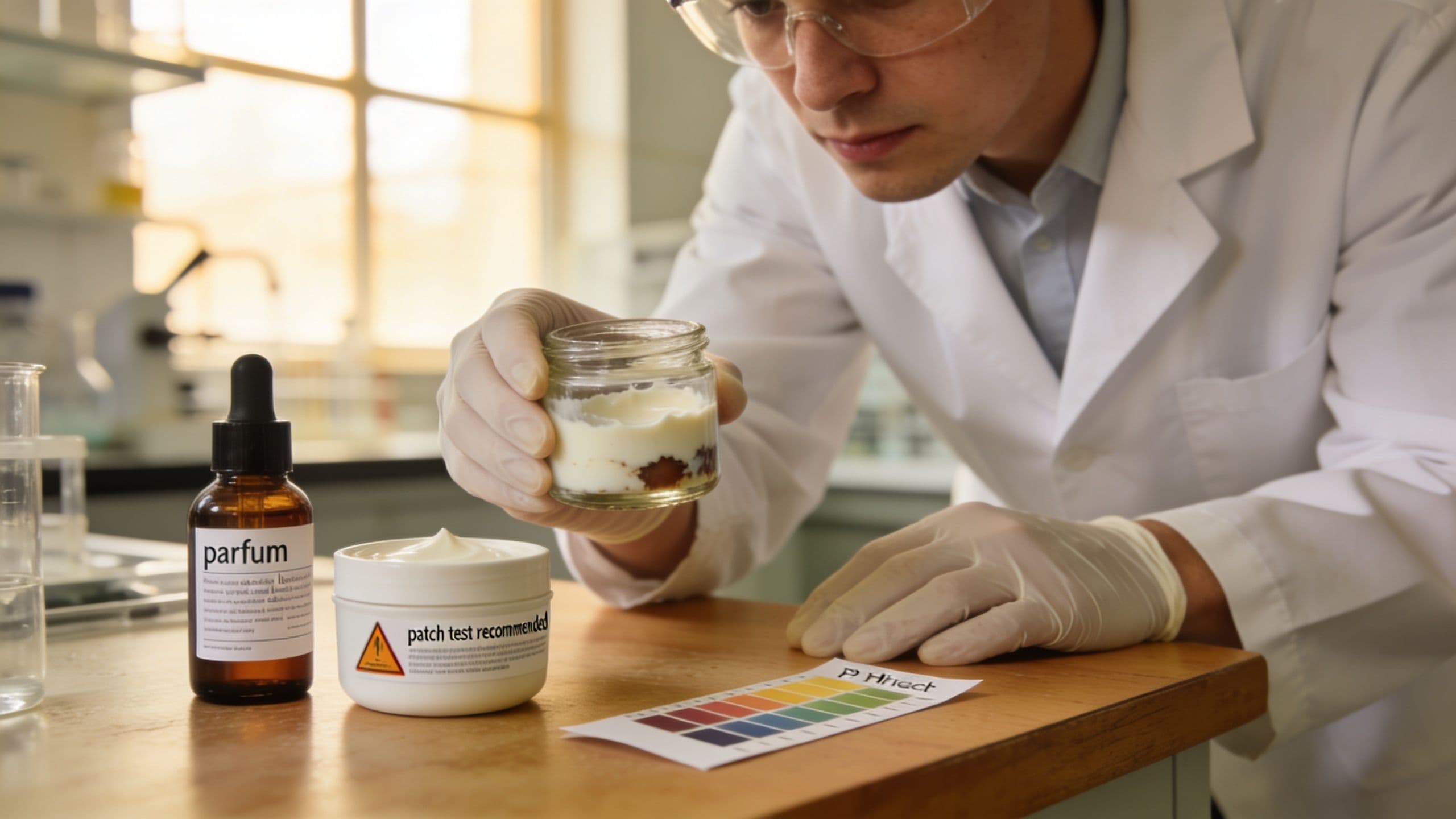
One of the most frequent challenges faced by skincare and cosmetics users relates to sensitivity and allergic reactions caused by certain ingredients. Fragrances, preservatives like parabens or formaldehyde releasers, and essential oils are notorious for irritating delicate skin. Even commonly beneficial compounds such as retinol or vitamin C can cause dryness, redness, or peeling in some users due to their potency.
For modern beauty enthusiasts who are integrating self-care as a lifestyle, patch-testing new products is a fundamental step that cannot be overlooked. Trying products on a small skin area before full application helps minimize unexpected reactions. Additionally, choosing formulas labeled hypoallergenic or fragrance-free can reduce the risk of irritation.
Challenges with Ingredient Stability and Shelf Life
Active ingredients such as antioxidants (e.g., vitamin C, niacinamide), peptides, and exfoliants are powerful but notoriously unstable. Exposure to air, light, and heat can degrade these components, reducing product effectiveness and sometimes altering their safety profile.
Packaging plays a critical role in ingredient preservation. Airless pumps, opaque containers, and single-use sachets help maintain efficacy over time by limiting exposure. Users should also be aware of expiration dates and storage instructions to ensure they're getting the full benefits of their products.
Decoding Ingredient Labels and Misleading Marketing
The beauty industry is rife with marketing terms that blur the lines between science and advertising, making ingredient transparency a notable challenge. "Natural," "clean," or "organic" claims, though appealing, are not always regulated consistently, which can lead to confusion.
Reading the full ingredient list is essential. Consumers benefit from understanding that "fragrance" can be a blend of many synthetic or natural compounds, some of which might be allergens. Ingredients are listed in descending order of concentration, so key actives should appear near the top.
Additionally, some products advertise potent actives without specifying concentration, affecting performance. For example, a serum may contain vitamin C, but at too low a percentage to produce visible results. Familiarity with ingredient ranges and commonly accepted efficacy thresholds can empower users to make better choices.
Balancing Multiple Ingredients: Synergy and Conflict
Combining ingredients can offer enhanced results, yet certain combinations can reduce efficacy or increase irritation risks. For instance, layering retinol with acids like glycolic or salicylic acid may cause excessive exfoliation and sensitivity. Similarly, vitamin C and niacinamide sequencing requires attention to pH levels to avoid inactivation.
Modern skincare routines often include multiple products or multi-ingredient formulations. Understanding the compatibility of ingredients prevents counterproductive outcomes and preserves skin barrier health.
Practical Tips for Ingredient-Savvy Skincare
Prioritize simplicity: Especially for beginners, start with fewer products containing fewer actives to reduce overwhelm and irritation risk.
Do research: Trusted digital beauty magazines, ingredient glossaries, and product reviews can clarify contentious ingredients and formulations.
Patch test consistently: Even familiar ingredients can cause reactions due to changes in product formulation or skin condition.
The evolving landscape of skincare and cosmetics demands a proactive, informed approach toward ingredients. By recognizing common challenges—from sensitivities to label transparency—users can craft routines that are effective, safe, and tailored to their unique needs.
---
Practical takeaway: When exploring new products, invest time in understanding ingredient lists, storage requirements, and compatibility with existing routines. This empowers better beauty choices that align with modern self-care principles while protecting long-term skin health.
Safety & Scope
This article is for general informational purposes and does not replace professional advice for complex repairs or installations.
Frequently Asked Questions
+What should readers understand first about common challenges with ingredients in skincare and cosmetics?
The primary understanding should be that ingredients can affect people differently because of individual skin sensitivity, product stability, and how ingredients interact. Recognizing that not all ingredients suit everyone and that reading labels carefully is crucial helps users navigate these challenges effectively.
+What are the most useful examples or use cases for common challenges with ingredients in skincare and cosmetics?
Examples include reactions to fragrances in moisturizers, degradation of vitamin C serums when exposed to sunlight, and confusion caused by vague marketing terms like "natural" or "clean." These illustrate how sensitivity, product stability, and label transparency impact everyday product use.
+What mistakes should I avoid with common challenges with ingredients in skincare and cosmetics?
Avoid skipping patch tests, ignoring expiration dates, and blindly trusting marketing claims without ingredient evaluation. Also, mixing potentially conflicting actives without proper knowledge can harm skin rather than improve it.