Exploring Beauty & Self-Care Skincare Use Cases for Everyday Radiance
Discover practical and diverse use cases for skincare within beauty and self-care routines. This guide unpacks everyday applications, ingredient insights, and common pitfalls to help you cultivate a radiant, balanced complexion.
Maya covers beauty & self-care with an emphasis on practical analysis, products, and real-world impact.
Defining Skincare Use Cases in Modern Beauty and Self-Care
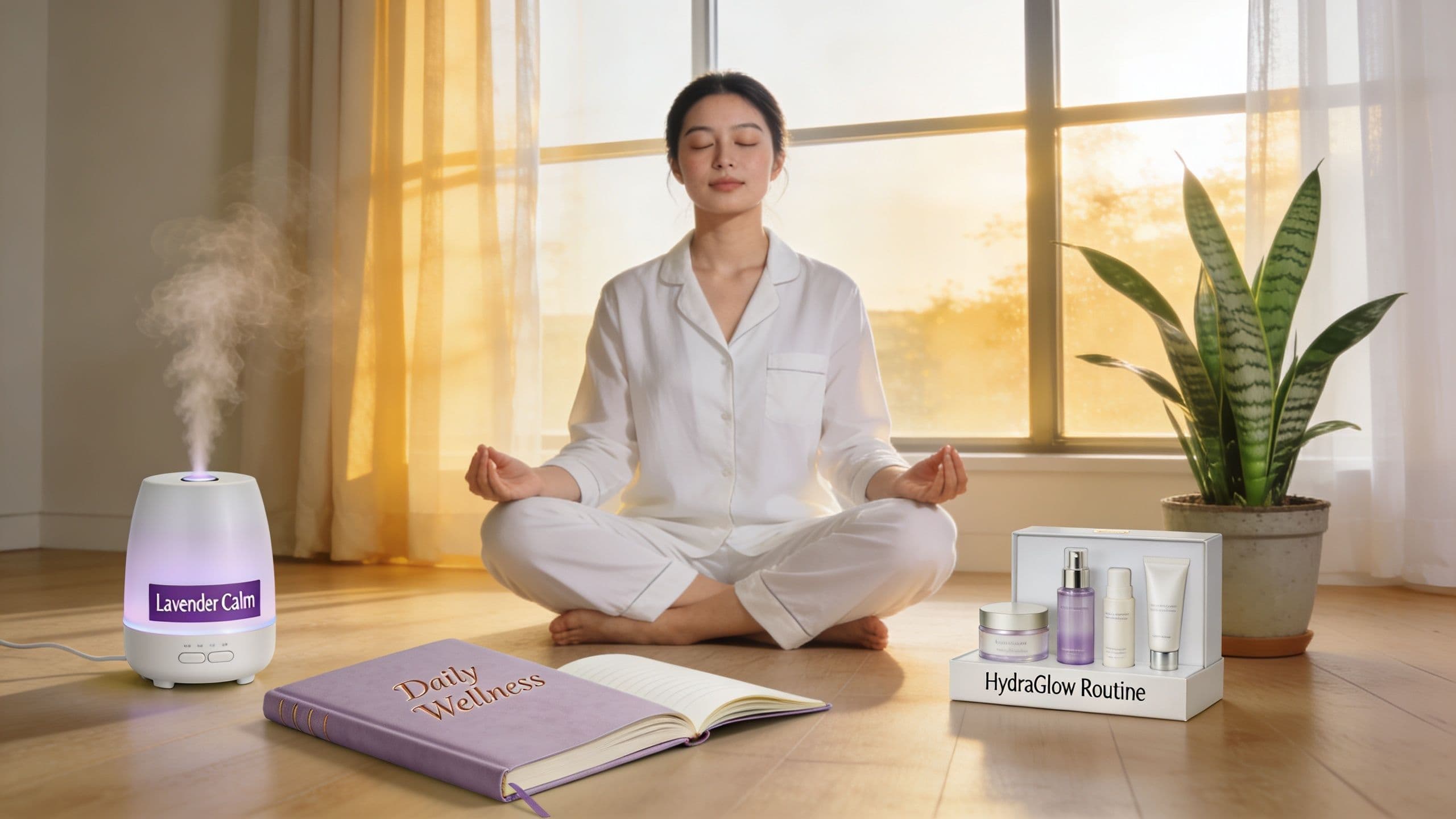
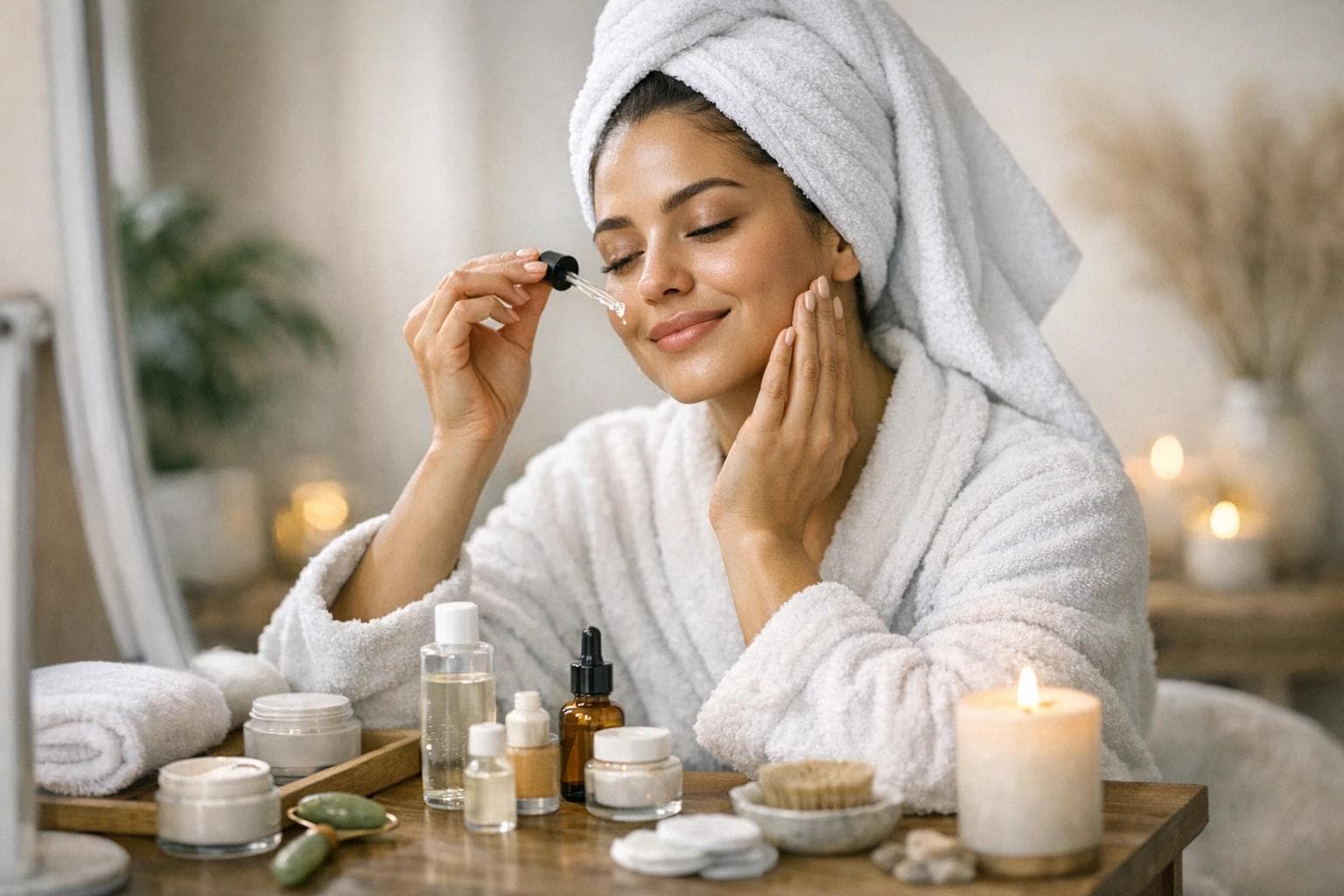
Skincare today transcends simple cleansing or moisturizing; it weaves into the broader tapestry of beauty and self-care with diverse use cases tailored to individual needs and lifestyles. These use cases are specific scenarios or goals within a routine where skincare acts as a tool for enhancing skin health, appearance, and overall wellbeing. Understanding these scenarios empowers users to engage with products thoughtfully rather than blindly following trends.
Unlike clinical dermatology, the focus here remains on lifestyle-driven purposes—such as hydration, sun protection, reducing environmental stress impacts, or maintaining a youthful glow—not targeted medical treatment.
Core Use Cases Highlighted
1. Hydration and Barrier Support
A foundational use case in almost every skincare routine is maintaining moisture balance and protecting the skin’s natural barrier. Environmental aggressors like pollution and dry air often compromise the skin, causing dryness, sensitivity, and dullness. In this scenario, routines prioritize hydrating cleansers, humectants like hyaluronic acid, and emollient-rich moisturizers to restore suppleness.
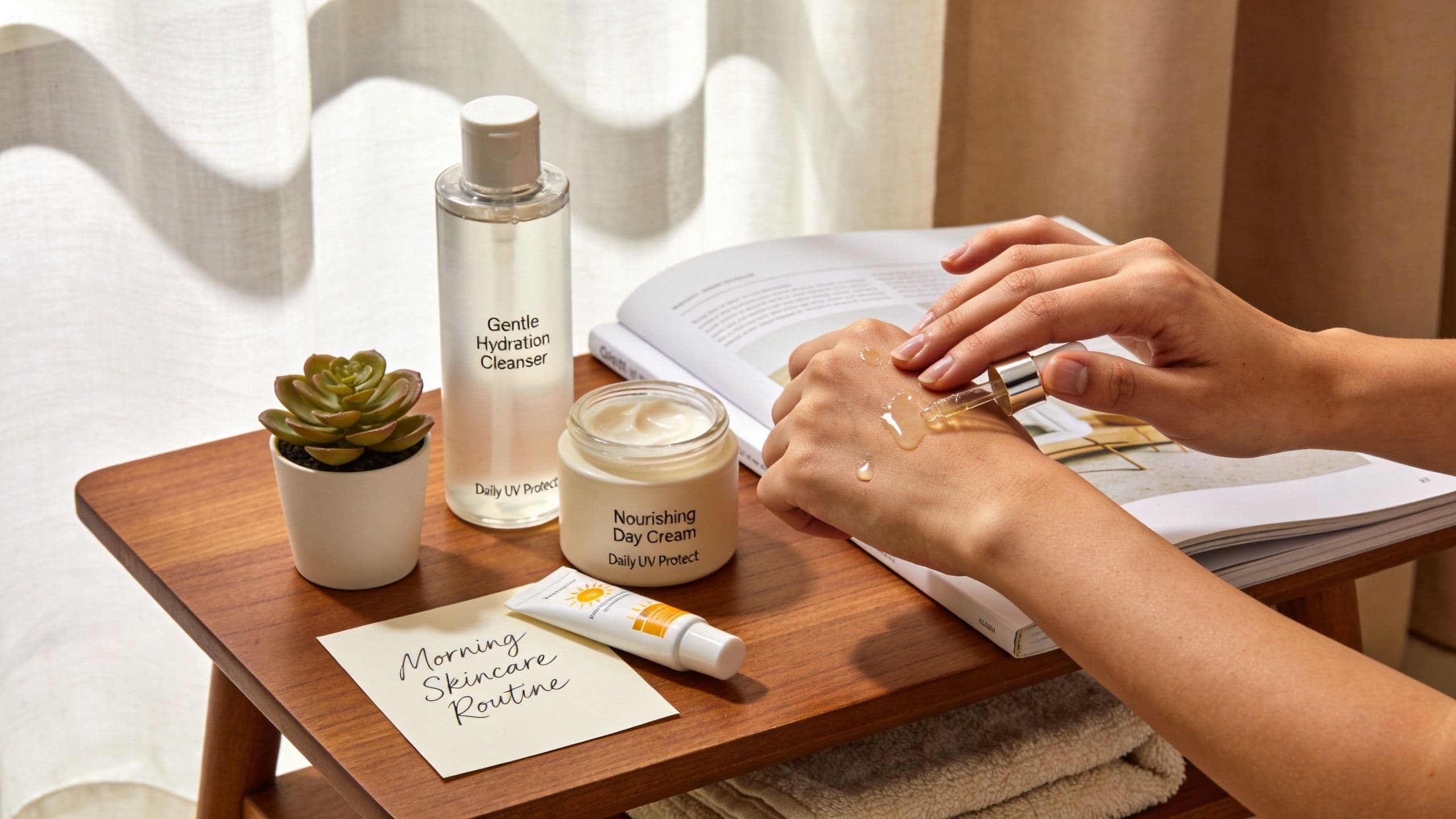
For example, a typical morning routine might include a gentle hydrating cleanser followed by a serum with hydrating ingredients like glycerin or aloe vera, topped with a moisturizer that seals moisture in. This use case is essential for all skin types—even oily skin benefits from hydration to prevent rebound oiliness.
2. Sun Protection as Preventative Care
A pivotal use case increasingly emphasized in beauty and self-care is daily sun protection. Broad-spectrum sunscreen shields skin from UV damage, a primary driver of premature aging, hyperpigmentation, and skin texture issues.
Incorporating a lightweight, non-comedogenic sunscreen every day—even indoors—aligns with wellness-oriented skincare. This use case supports not only aesthetic goals but also overall skin resilience. Products with added antioxidants can further enhance this protective barrier by neutralizing free radicals.
3. Brightening and Evening Skin Tone
For those looking to tackle pigmentation issues or achieve a radiant complexion, brightening is a targeted skincare use case. Ingredients such as vitamin C, niacinamide, and gentle exfoliants can help even skin tone and reduce dullness.
A beginner-friendly routine might add a vitamin C serum in the morning, combined with gentle exfoliation a few times a week to promote cell turnover. Importantly, users should proceed gradually to avoid irritation.
4. Calming and Soothing Sensitive Skin
Self-care is also about listening to your skin’s signals. When sensitivity arises, calming skincare steps become vital. This use case might include fragrance-free moisturizers, products rich in ceramides, and soothing ingredients like oat extract or green tea.
Such routines often focus on minimizing active ingredients and reinforcing the skin’s natural defenses, making it kinder, less reactive over time.
5. Nighttime Renewal and Repair
Beauty-conscious self-care frequently highlights the night as prime time for skin recovery. Nighttime skincare use cases leverage richer formulas, retinol alternatives, or peptides aimed at gentle renewal and supporting collagen production within lifestyle-friendly limits.
Simple additions like a nourishing night cream, an overnight hydrating mask, or serums optimized for evening use can enhance texture and vibrancy without overcomplication.
Common Mistakes to Avoid in Skincare Use Cases
Overloading Products: Combining too many actives or layers can disrupt the skin barrier instead of helping it. Stick to simplicity and gradual introduction.
Neglecting Consistency: Skincare benefits arise over time. Intermittent use or skipping essentials like sunscreen undermines results.
Misunderstanding Ingredient Roles: For example, using exfoliants daily without skin adjustment can provoke irritation.
Ignoring Lifestyle Factors: Hydration, diet, stress management, and sleep have profound impacts complementary to skincare.
Taking Skincare from Routine to Ritual
Embedding skincare use cases into daily life shifts the mindset from chore to self-care ritual. Personalizing the routine by listening to skin’s evolving needs invites commitment and satisfaction.
Next step: Begin by identifying your primary skin goals and challenges. Experiment with one use case focus at a time, observe your skin’s response, and adapt. This responsive approach forms the foundation for a beauty and self-care routine that feels natural, enjoyable, and effective.
As the beauty industry continues evolving with innovations and inclusivity, understanding your unique skincare use cases will remain a key strategy for radiant, resilient skin in an everyday wellness context.
Safety & Scope
This article is for general informational purposes and does not replace professional advice for complex repairs or installations.
Frequently Asked Questions
+What should readers understand first about beauty & self-care skincare use cases?
Readers should recognize that skincare use cases are specific scenarios or goals within a routine where skincare products are applied with intent to support skin health, appearance, or comfort, rather than medical treatment. Understanding these allows for a more purposeful and effective approach to daily beauty and self-care.
+What are the most useful examples or use cases for beauty & self-care skincare?
Key use cases include hydration and barrier support, sun protection as preventative care, brightening and evening skin tone, calming sensitive skin, and nighttime renewal and repair. Each addresses common skin needs in ways that fit into accessible, lifestyle-conscious routines.
+What mistakes should I avoid with beauty & self-care skincare use cases?
Avoid overloading products with multiple actives, neglecting routine consistency, misunderstanding how ingredients work (e.g., over-exfoliating), and overlooking lifestyle factors such as diet and sleep that critically impact skin health.